
The 12 Best B1 Certificate German Accounts To Follow On Twitter
페이지 정보
작성자 Fred 작성일25-02-25 11:37 조회5회 댓글0건관련링크
본문
Comprehending the B1 Certificate in German: Achievements, Benefits, and Pathways
The B1 certificate in German represents a considerable turning point for language students. Acting as a bridge in between elementary competence and advanced efficiency, the B1 level licenses that an individual has an intermediate understanding of the German language, enabling them to communicate with more ease and self-confidence. This post explores the significance of the B1 certificate, the advantages it provides, and how one can attain this certification.
What is the B1 Certificate?
The B1 level in language competence aligns with the Common European Framework of Reference for Languages (CEFR). At this level, learners are anticipated to:
Comprehend the main concepts of clear basic input on familiar matters experienced in work, school, leisure, etc.
Deal with many situations most likely to develop while traveling in areas where the language is spoken.
Produce easy linked text on topics that recognize or of individual interest.
Explain experiences, events, dreams, hopes, Osd Zertifikat Checkliste and aspirations, along with briefly discuss reasons and opinions.
The B1 certificate serves as proof of a learner's ability to navigate daily circumstances in German. It is recognized by educational institutions, employers, and different government organizations.
The Importance of the B1 Certificate
Achieving a B1 certificate in German can significantly improve an individual's individual and expert prospects. Below are some crucial reasons that this accreditation is important:
1. Educational Opportunities
Numerous German-speaking universities and colleges need evidence of German language efficiency. Obtaining the B1 certificate can be an important stepping stone for trainees who want to pursue college in Germany or other German-speaking countries.
2. Profession Advancement
For experts, a B1 certification can open the doors to brand-new job opportunities, especially in Germany or in business that conduct service with German-speaking customers. Proficiency in the language can distinguish prospects in the task market and make them more appealing to employers.
3. Cultural Integration
For immigrants and migrants, exceling in German helps in social combination. The B1 certificate indicates a capability to get involved in conversations, engage with locals, and comprehend cultural subtleties-- elements vital for individual connections and a sense of belonging.
4. Travel and Communication
Having a B1 certificate gears up travelers with the language skills essential to browse different circumstances while visiting German-speaking countries, from purchasing food to seeking directions or participating in social interactions.
How to Achieve the B1 Certificate
Reaching the B1 level of proficiency usually requires a combination of study, practice, and immersion in the language. Here are some reliable steps to think about:
Action 1: Enroll in Language Courses
Consider registering in a structured language course used by language schools, universities, or online platforms. Search for courses particularly developed to prepare students for the B1 exam.
Step 2: Use Language Learning Resources
Leverage various resources to supplement knowing. Some recommended resources consist of:
Books: osd zertifikat checkliste Choose books focused on B1 level grammar and vocabulary.
Podcasts and öSd österreich Audiobooks: These resources can assist enhance listening skills and comprehension.
Apps: ÖSd-Zertifikat c2 Language knowing applications, osd Zertifikat anforderungen such as Duolingo or Babbel, offer practice works out tailored to numerous levels.
Action 3: deutschprüfung ösd Practice Speaking
Speaking practice is essential for developing language skills. Think about:
Language Exchange Programs: Find a language partner or join a language exchange group where you can practice conversational German.
Speak To Native Speakers: Engaging with locals or taking part in discussion clubs can enhance speaking confidence.
Step 4: Take Practice Tests
Familiarizing oneself with the exam format is vital. Take practice tests readily available online or from language schools to understand the kinds of concerns and the time management essential for the examination.
Step 5: Schedule the Exam
When you feel properly prepared, schedule the B1 exam. Ensure that you have all needed documentation and understand the screening treatments. The exam generally consists of reading, writing, listening, and speaking elements.
FAQs
What is the credibility duration of the B1 certificate?
The B1 certificate does not have an official expiration date; however, some organizations may require that language certificates not be older than 2 to 3 years for admission or job applications.
For how long does it take to reach the B1 level?
The duration to accomplish a B1 level can differ widely depending upon the learner's background, anticipation of German, and the strength of research study. On average, learners may anticipate to invest around 350 to 400 hours of study and practice.
Where can I take the B1 exam?
A number of companies use B1 tests, such as the Goethe-Institut, telc, and ÖSD. These examinations will test all four language abilities: reading, writing, listening, and speaking.
Can I get ready for the B1 exam on my own?
Yes, öSd kurs self-study is possible with the right resources, commitment, and practice. Nevertheless, numerous students find assisted courses beneficial for structured learning and increased inspiration.
Conclusion
The B1 certificate in German is more than just a paper; it is a testament to a person's linguistic skills and a key that unlocks opportunities in education, employment, and social integration. By following a structured technique to study and practice, language learners can confidently prepare for this essential accreditation. Whether for individual enrichment or professional improvement, investing effort and time into attaining the B1 level can yield considerable benefits in a globalized world where multilingualism is significantly valued.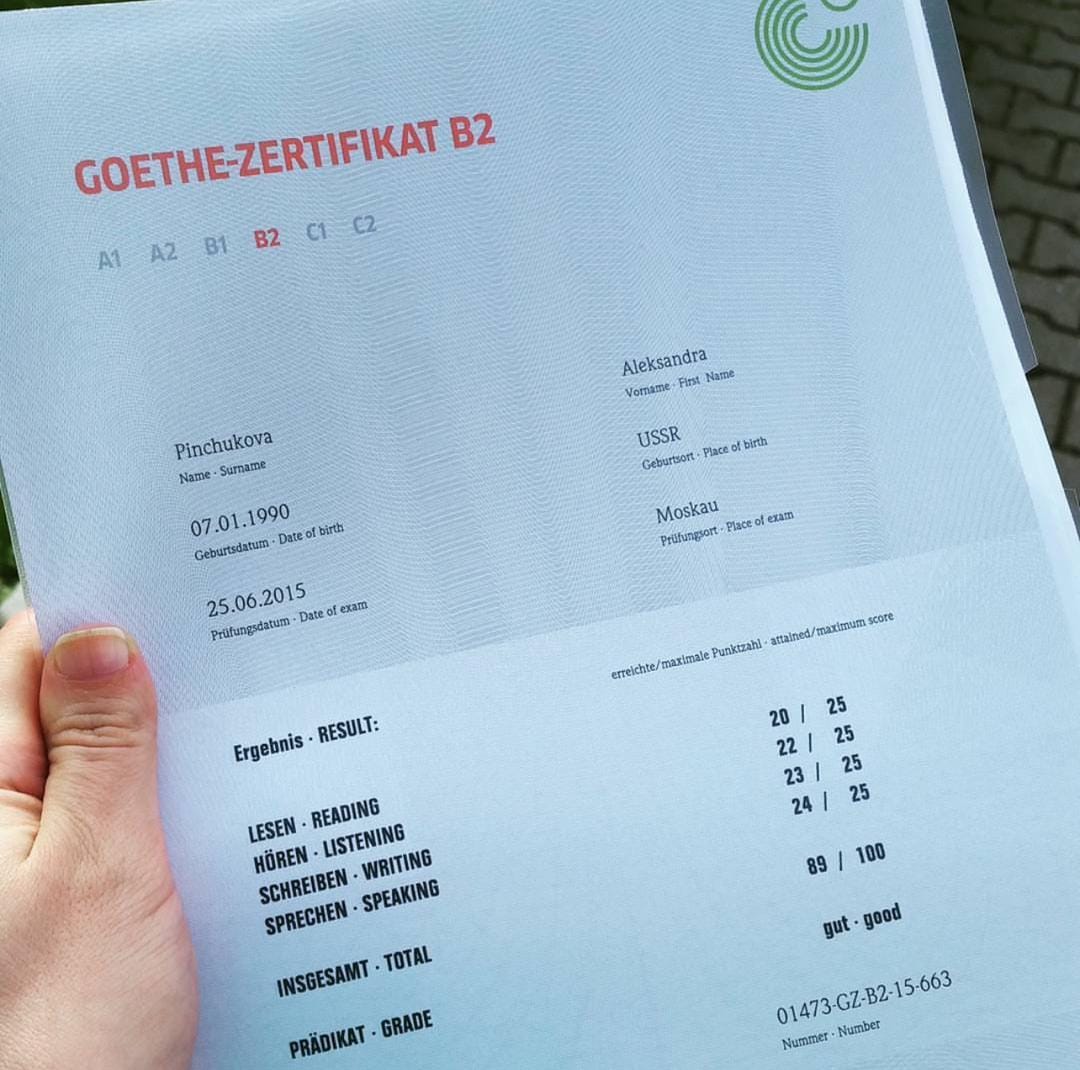
The B1 certificate in German represents a considerable turning point for language students. Acting as a bridge in between elementary competence and advanced efficiency, the B1 level licenses that an individual has an intermediate understanding of the German language, enabling them to communicate with more ease and self-confidence. This post explores the significance of the B1 certificate, the advantages it provides, and how one can attain this certification.
What is the B1 Certificate?
The B1 level in language competence aligns with the Common European Framework of Reference for Languages (CEFR). At this level, learners are anticipated to:
Comprehend the main concepts of clear basic input on familiar matters experienced in work, school, leisure, etc.
Deal with many situations most likely to develop while traveling in areas where the language is spoken.
Produce easy linked text on topics that recognize or of individual interest.
Explain experiences, events, dreams, hopes, Osd Zertifikat Checkliste and aspirations, along with briefly discuss reasons and opinions.
The B1 certificate serves as proof of a learner's ability to navigate daily circumstances in German. It is recognized by educational institutions, employers, and different government organizations.
The Importance of the B1 Certificate
Achieving a B1 certificate in German can significantly improve an individual's individual and expert prospects. Below are some crucial reasons that this accreditation is important:
1. Educational Opportunities
Numerous German-speaking universities and colleges need evidence of German language efficiency. Obtaining the B1 certificate can be an important stepping stone for trainees who want to pursue college in Germany or other German-speaking countries.
2. Profession Advancement
For experts, a B1 certification can open the doors to brand-new job opportunities, especially in Germany or in business that conduct service with German-speaking customers. Proficiency in the language can distinguish prospects in the task market and make them more appealing to employers.
3. Cultural Integration
For immigrants and migrants, exceling in German helps in social combination. The B1 certificate indicates a capability to get involved in conversations, engage with locals, and comprehend cultural subtleties-- elements vital for individual connections and a sense of belonging.
4. Travel and Communication
Having a B1 certificate gears up travelers with the language skills essential to browse different circumstances while visiting German-speaking countries, from purchasing food to seeking directions or participating in social interactions.
How to Achieve the B1 Certificate
Reaching the B1 level of proficiency usually requires a combination of study, practice, and immersion in the language. Here are some reliable steps to think about:
Action 1: Enroll in Language Courses
Consider registering in a structured language course used by language schools, universities, or online platforms. Search for courses particularly developed to prepare students for the B1 exam.
Step 2: Use Language Learning Resources
Leverage various resources to supplement knowing. Some recommended resources consist of:
Books: osd zertifikat checkliste Choose books focused on B1 level grammar and vocabulary.
Podcasts and öSd österreich Audiobooks: These resources can assist enhance listening skills and comprehension.
Apps: ÖSd-Zertifikat c2 Language knowing applications, osd Zertifikat anforderungen such as Duolingo or Babbel, offer practice works out tailored to numerous levels.
Action 3: deutschprüfung ösd Practice Speaking
Speaking practice is essential for developing language skills. Think about:
Language Exchange Programs: Find a language partner or join a language exchange group where you can practice conversational German.
Speak To Native Speakers: Engaging with locals or taking part in discussion clubs can enhance speaking confidence.
Step 4: Take Practice Tests
Familiarizing oneself with the exam format is vital. Take practice tests readily available online or from language schools to understand the kinds of concerns and the time management essential for the examination.
Step 5: Schedule the Exam
When you feel properly prepared, schedule the B1 exam. Ensure that you have all needed documentation and understand the screening treatments. The exam generally consists of reading, writing, listening, and speaking elements.
FAQs
What is the credibility duration of the B1 certificate?
The B1 certificate does not have an official expiration date; however, some organizations may require that language certificates not be older than 2 to 3 years for admission or job applications.
For how long does it take to reach the B1 level?
The duration to accomplish a B1 level can differ widely depending upon the learner's background, anticipation of German, and the strength of research study. On average, learners may anticipate to invest around 350 to 400 hours of study and practice.
Where can I take the B1 exam?
A number of companies use B1 tests, such as the Goethe-Institut, telc, and ÖSD. These examinations will test all four language abilities: reading, writing, listening, and speaking.
Can I get ready for the B1 exam on my own?
Yes, öSd kurs self-study is possible with the right resources, commitment, and practice. Nevertheless, numerous students find assisted courses beneficial for structured learning and increased inspiration.
Conclusion
The B1 certificate in German is more than just a paper; it is a testament to a person's linguistic skills and a key that unlocks opportunities in education, employment, and social integration. By following a structured technique to study and practice, language learners can confidently prepare for this essential accreditation. Whether for individual enrichment or professional improvement, investing effort and time into attaining the B1 level can yield considerable benefits in a globalized world where multilingualism is significantly valued.
댓글목록
등록된 댓글이 없습니다.