
Guide To Good Exercise Bicycle: The Intermediate Guide On Good Exercis…
페이지 정보
작성자 Luciana 작성일25-02-27 10:24 조회13회 댓글0건관련링크
본문
The Benefits and Importance of a Good Exercise Bicycle
In an age where health and health are paramount, finding the right exercise equipment can make a significant difference in one's physical fitness journey. Amongst the wide variety of options offered, exercise bikes stand out as a versatile and effective choice for individuals of all ages and physical fitness levels. Whether you're an experienced professional athlete seeking to supplement your training or a beginner eager to begin a routine exercise routine, a good exercise bicycle can be an indispensable tool. This article delves into the benefits of utilizing an exercise bicycle, how to choose the ideal one, and offers some often asked questions to help you make an informed choice.
The Benefits of Using an Exercise Bicycle
Low Impact Workout
One of the most considerable benefits of an exercise bicycle is that it provides a low-impact exercise. Unlike running or high-impact aerobics, biking on a stationary bike does not put excessive stress on your joints, making it an excellent choice for individuals with knee or hip concerns, or those recovering from injuries.
Cardiovascular Health
Regular use of an exercise bicycle can greatly improve cardiovascular health. Cycling increases heart rate, which helps enhance the heart muscle, enhance blood circulation, and lower the risk of heart problem. It likewise helps in lowering blood pressure and [Redirect Only] cholesterol levels.
Weight-loss and Calorie Burning
exercise bikes home bikes work for weight-loss and burning calories. Depending on the intensity and period of your exercise, you can burn anywhere from 400 to 1000 calories per hour. This makes cycling a terrific addition to any weight loss program.
Muscle Strengthening and Toning
Cycling works numerous muscle groups, consisting of the quadriceps, hamstrings, glutes, and calves. Regular usage can help reinforce and tone these muscles, leading to enhanced overall physical strength and endurance.
Mental Health
Exercise is understood to improve psychological health, and cycling is no exception. The balanced, low-impact nature of biking can lower stress and anxiety, improve mood, and boost cognitive function. Many find that the repetitive movement of pedaling is meditative and relaxing.
Convenience and Flexibility
One of the best features of an exercise bicycle is its convenience. You can use it at home, at any time, without fretting about climate condition or the need for a gym subscription. This flexibility makes it easier to maintain a consistent workout routine.
How to Choose the Right Exercise Bicycle
When picking an exercise bicycle, several aspects ought to be thought about to guarantee you get the very best home exercise machine suitable for your needs and preferences.
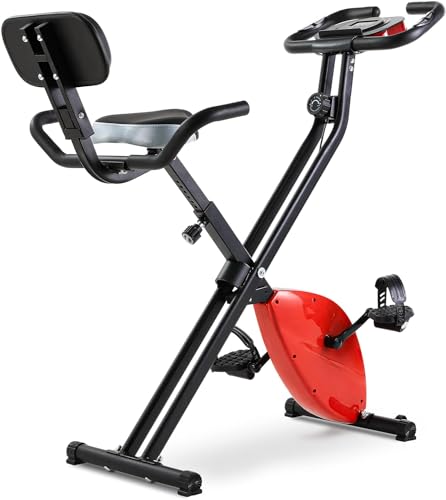 Kind Of Exercise Bicycle
Upright Bikes: These bikes resemble conventional roadway bikes and are great for cardiovascular exercises and enhancing muscle tone. They are more tough due to the upright position and are perfect for those seeking to burn a lot of calories.
Recumbent Bikes: Recumbent bikes have a reclined seating position, which is easier on the back and knees. They are ideal for people with joint issues or those who prefer a more comfy, relaxed ride.
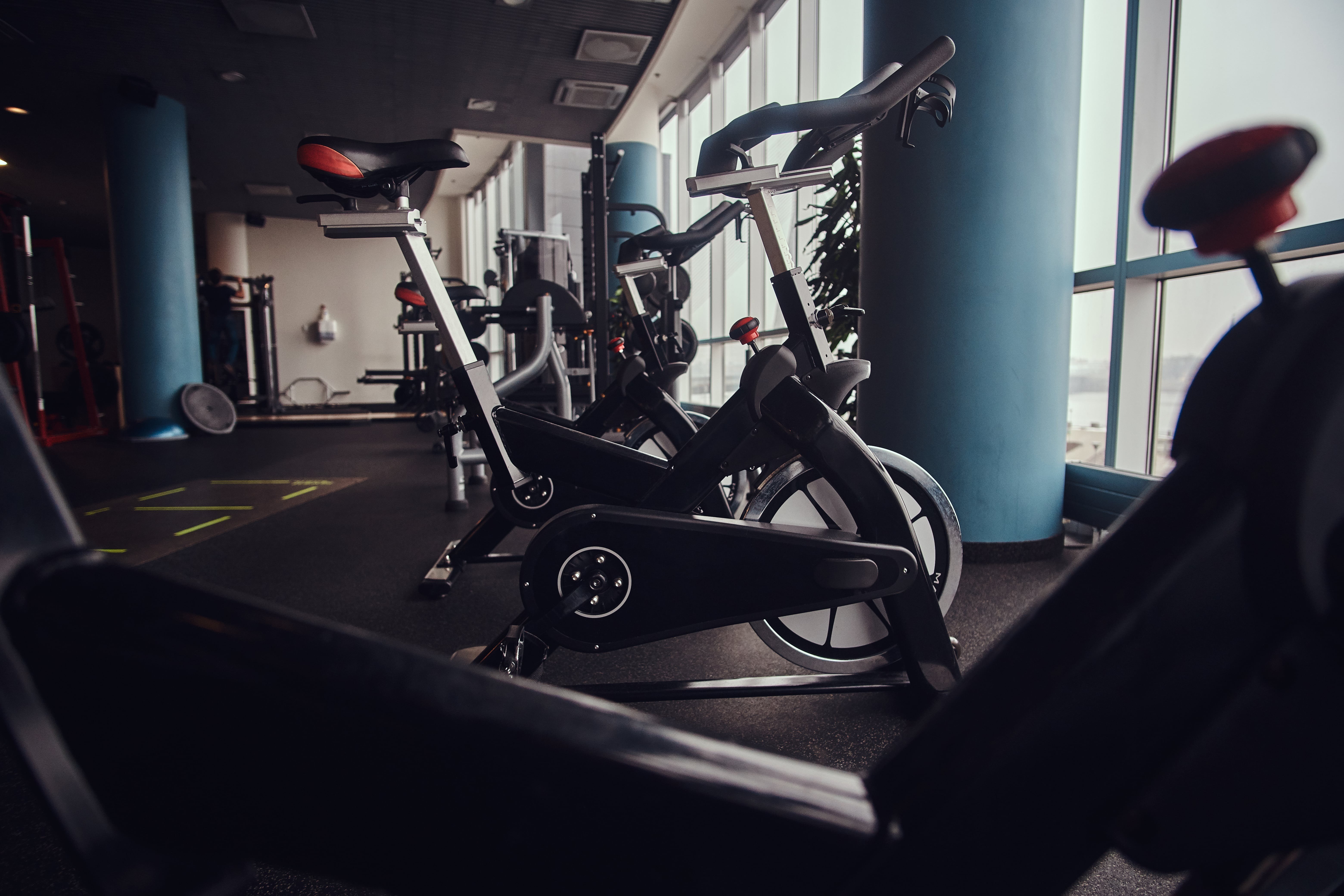
Spin Bikes: Spin bikes are developed for high-intensity, indoor biking classes. They provide a more intense workout and are outstanding for constructing leg strength and endurance.
Resistance Types
Magnetic Resistance: This type of resistance is smooth and peaceful, making it ideal for home use. It uses magnets to develop resistance, which can be gotten used to match your fitness level.
Air Resistance: Air resistance bikes use fans to develop resistance, which increases as you pedal quicker. This supplies a more dynamic and tough workout.
Mechanical Resistance: These bikes use friction to produce resistance, typically through a brake or a belt. They are usually more inexpensive however might be noisier and require more maintenance.
Features and Additional Options
Display and Connectivity: Look for a bike with a clear, user-friendly display that tracks your development, such as range, speed, calories burned, and heart rate. Some bikes also use connection features, allowing you to sync with fitness apps or join virtual cycling classes.
Adjustability: Ensure the bike is adjustable to fit your body size and convenience level. This includes seat height, handlebar position, and resistance levels.
Construct Quality and Stability: A good exercise bicycle must be tough and well-built. Inspect the weight capability and stability to guarantee it can handle your weight and exercise intensity.
Warranty and Support: Opt for a bike from a reliable maker that uses a strong guarantee and customer assistance. This can save you a great deal of hassle in the long run.
Spending plan
Exercise bicycles can vary from budget-friendly to high-end designs. Identify your budget plan and try to find a bike exercise home that provides the best value for your money. High-quality bikes may come with extra features, however they are not constantly necessary for a good workout.
Tips for a Better Cycling Experience
Correct Setup
Change the seat height so that your legs are almost completely extended at the bottom of the pedal stroke. The handlebars ought to be at a comfortable height to minimize strain on your back and neck.
Warm-Up and Cool-Down
Constantly begin with a 5-10 minute warm-up at a low resistance to get your muscles all set. Similarly, cool down with a 5-10 minute low-intensity ride to help your body recover.
Range in Workouts
To prevent dullness and keep your exercises challenging, vary your regimens. Include periods, hill climbs, and steady-state trips to target different muscle groups and improve general fitness.
Stay Hydrated
Keep a water bottle within reach to remain hydrated during your workouts. This is especially important if you are cycling at a high intensity or for extended periods.
Routine Maintenance
Clean your exercise bicycle frequently and look for any signs of wear and tear. Lube the chain (if appropriate) and ensure all parts are working correctly to maintain optimal performance.
Frequently Asked Questions (FAQs).
What is the difference in between an upright and a recumbent stationary bicycle?
Upright bikes simulate the position of a standard roadway bike, providing a more intense workout. Recumbent bikes have a reclined seating position, which is gentler on the back and knees, making them ideal for individuals with joint issues.
How often should I utilize an exercise bicycle?
 For optimum outcomes, goal to cycle a minimum of 3-4 times a week for 30-45 minutes per session. However, the frequency and duration can be changed based upon your physical fitness objectives and schedule.
Can I use an exercise bicycle for weight-loss?
Yes, biking can be an efficient tool for weight loss. A 30-minute session can burn 200-300 calories, and constant usage can cause significant weight-loss gradually.
How do I pick the best resistance level?
Start with a low resistance level to get familiar with the bike. Gradually increase the resistance as you end up being more comfortable and more powerful. The right level ought to challenge you without triggering strain or discomfort.
Are exercise bicycles ideal for individuals with joint issues?
Yes, exercise bikes, especially recumbent bikes, are a fantastic low-impact choice for individuals with joint concerns. The smooth, controlled movement decreases stress on the knees and hips.
Can I utilize an exercise bicycle to train for outside cycling?
Definitely! While the experience might vary, indoor cycling can help build the strength and endurance needed for outside rides. Numerous spin bikes are created to mimic outside conditions.
What should I try to find in a display screen for an exercise bicycle?
Look for a display screen that is simple to check out and provides necessary metrics such as range, speed, calories burned, and heart rate. Some advanced models likewise consist of connectivity to fitness apps and virtual classes.
How do I know if an exercise bicycle is right for me?
Consider your physical fitness objectives, budget, and physical requirements. Test different models if possible to discover one that feels comfortable and fulfills your requirements. Consulting with a fitness professional can likewise assist in making a notified choice.
Conclusion.
An exercise bicycle is a versatile and efficient tool that can help you accomplish a vast array of fitness objectives, from enhancing cardiovascular health to weight reduction and muscle toning. By comprehending the different kinds of bikes, resistance options, and crucial functions, you can select the right one for your requirements. Keep in mind to establish your bike properly, vary your workouts, and maintain your equipment to get the most out of your cycling sessions. Whether you're a beginner or an experienced physical fitness enthusiast, a good exercise bicycle can be a valuable addition to your home health club or exercise routine.
In an age where health and health are paramount, finding the right exercise equipment can make a significant difference in one's physical fitness journey. Amongst the wide variety of options offered, exercise bikes stand out as a versatile and effective choice for individuals of all ages and physical fitness levels. Whether you're an experienced professional athlete seeking to supplement your training or a beginner eager to begin a routine exercise routine, a good exercise bicycle can be an indispensable tool. This article delves into the benefits of utilizing an exercise bicycle, how to choose the ideal one, and offers some often asked questions to help you make an informed choice.
The Benefits of Using an Exercise Bicycle
Low Impact Workout
One of the most considerable benefits of an exercise bicycle is that it provides a low-impact exercise. Unlike running or high-impact aerobics, biking on a stationary bike does not put excessive stress on your joints, making it an excellent choice for individuals with knee or hip concerns, or those recovering from injuries.
Cardiovascular Health
Regular use of an exercise bicycle can greatly improve cardiovascular health. Cycling increases heart rate, which helps enhance the heart muscle, enhance blood circulation, and lower the risk of heart problem. It likewise helps in lowering blood pressure and [Redirect Only] cholesterol levels.
Weight-loss and Calorie Burning
exercise bikes home bikes work for weight-loss and burning calories. Depending on the intensity and period of your exercise, you can burn anywhere from 400 to 1000 calories per hour. This makes cycling a terrific addition to any weight loss program.
Muscle Strengthening and Toning
Cycling works numerous muscle groups, consisting of the quadriceps, hamstrings, glutes, and calves. Regular usage can help reinforce and tone these muscles, leading to enhanced overall physical strength and endurance.
Mental Health
Exercise is understood to improve psychological health, and cycling is no exception. The balanced, low-impact nature of biking can lower stress and anxiety, improve mood, and boost cognitive function. Many find that the repetitive movement of pedaling is meditative and relaxing.
Convenience and Flexibility
One of the best features of an exercise bicycle is its convenience. You can use it at home, at any time, without fretting about climate condition or the need for a gym subscription. This flexibility makes it easier to maintain a consistent workout routine.
How to Choose the Right Exercise Bicycle
When picking an exercise bicycle, several aspects ought to be thought about to guarantee you get the very best home exercise machine suitable for your needs and preferences.
Kind Of Exercise BicycleUpright Bikes: These bikes resemble conventional roadway bikes and are great for cardiovascular exercises and enhancing muscle tone. They are more tough due to the upright position and are perfect for those seeking to burn a lot of calories.
Recumbent Bikes: Recumbent bikes have a reclined seating position, which is easier on the back and knees. They are ideal for people with joint issues or those who prefer a more comfy, relaxed ride.
Spin Bikes: Spin bikes are developed for high-intensity, indoor biking classes. They provide a more intense workout and are outstanding for constructing leg strength and endurance.
Resistance Types
Magnetic Resistance: This type of resistance is smooth and peaceful, making it ideal for home use. It uses magnets to develop resistance, which can be gotten used to match your fitness level.
Air Resistance: Air resistance bikes use fans to develop resistance, which increases as you pedal quicker. This supplies a more dynamic and tough workout.
Mechanical Resistance: These bikes use friction to produce resistance, typically through a brake or a belt. They are usually more inexpensive however might be noisier and require more maintenance.
Features and Additional Options
Display and Connectivity: Look for a bike with a clear, user-friendly display that tracks your development, such as range, speed, calories burned, and heart rate. Some bikes also use connection features, allowing you to sync with fitness apps or join virtual cycling classes.
Adjustability: Ensure the bike is adjustable to fit your body size and convenience level. This includes seat height, handlebar position, and resistance levels.
Construct Quality and Stability: A good exercise bicycle must be tough and well-built. Inspect the weight capability and stability to guarantee it can handle your weight and exercise intensity.
Warranty and Support: Opt for a bike from a reliable maker that uses a strong guarantee and customer assistance. This can save you a great deal of hassle in the long run.
Spending plan
Exercise bicycles can vary from budget-friendly to high-end designs. Identify your budget plan and try to find a bike exercise home that provides the best value for your money. High-quality bikes may come with extra features, however they are not constantly necessary for a good workout.
Tips for a Better Cycling Experience
Correct Setup
Change the seat height so that your legs are almost completely extended at the bottom of the pedal stroke. The handlebars ought to be at a comfortable height to minimize strain on your back and neck.
Warm-Up and Cool-Down
Constantly begin with a 5-10 minute warm-up at a low resistance to get your muscles all set. Similarly, cool down with a 5-10 minute low-intensity ride to help your body recover.
Range in Workouts
To prevent dullness and keep your exercises challenging, vary your regimens. Include periods, hill climbs, and steady-state trips to target different muscle groups and improve general fitness.
Stay Hydrated
Keep a water bottle within reach to remain hydrated during your workouts. This is especially important if you are cycling at a high intensity or for extended periods.
Routine Maintenance
Clean your exercise bicycle frequently and look for any signs of wear and tear. Lube the chain (if appropriate) and ensure all parts are working correctly to maintain optimal performance.
Frequently Asked Questions (FAQs).
What is the difference in between an upright and a recumbent stationary bicycle?
Upright bikes simulate the position of a standard roadway bike, providing a more intense workout. Recumbent bikes have a reclined seating position, which is gentler on the back and knees, making them ideal for individuals with joint issues.
How often should I utilize an exercise bicycle?
For optimum outcomes, goal to cycle a minimum of 3-4 times a week for 30-45 minutes per session. However, the frequency and duration can be changed based upon your physical fitness objectives and schedule.Can I use an exercise bicycle for weight-loss?
Yes, biking can be an efficient tool for weight loss. A 30-minute session can burn 200-300 calories, and constant usage can cause significant weight-loss gradually.
How do I pick the best resistance level?
Start with a low resistance level to get familiar with the bike. Gradually increase the resistance as you end up being more comfortable and more powerful. The right level ought to challenge you without triggering strain or discomfort.
Are exercise bicycles ideal for individuals with joint issues?
Yes, exercise bikes, especially recumbent bikes, are a fantastic low-impact choice for individuals with joint concerns. The smooth, controlled movement decreases stress on the knees and hips.
Can I utilize an exercise bicycle to train for outside cycling?
Definitely! While the experience might vary, indoor cycling can help build the strength and endurance needed for outside rides. Numerous spin bikes are created to mimic outside conditions.
What should I try to find in a display screen for an exercise bicycle?
Look for a display screen that is simple to check out and provides necessary metrics such as range, speed, calories burned, and heart rate. Some advanced models likewise consist of connectivity to fitness apps and virtual classes.
How do I know if an exercise bicycle is right for me?
Consider your physical fitness objectives, budget, and physical requirements. Test different models if possible to discover one that feels comfortable and fulfills your requirements. Consulting with a fitness professional can likewise assist in making a notified choice.
Conclusion.
An exercise bicycle is a versatile and efficient tool that can help you accomplish a vast array of fitness objectives, from enhancing cardiovascular health to weight reduction and muscle toning. By comprehending the different kinds of bikes, resistance options, and crucial functions, you can select the right one for your requirements. Keep in mind to establish your bike properly, vary your workouts, and maintain your equipment to get the most out of your cycling sessions. Whether you're a beginner or an experienced physical fitness enthusiast, a good exercise bicycle can be a valuable addition to your home health club or exercise routine.
댓글목록
등록된 댓글이 없습니다.