
What Is Lidar Mapping Robot Vacuum? To Make Use Of It
페이지 정보
작성자 Gracie 작성일24-07-27 14:46 조회14회 댓글0건관련링크
본문
LiDAR Mapping and Robot Vacuum Cleaners
One of the most important aspects of robot navigation is mapping. A clear map of your area allows the robot to plan its cleaning route and avoid bumping into walls or furniture.
You can also use the app to label rooms, set cleaning schedules and create virtual walls or no-go zones to stop the robot from entering certain areas such as a cluttered desk or TV stand.
What is LiDAR?
LiDAR is a sensor which analyzes the time taken by laser beams to reflect from a surface before returning to the sensor. This information is used to build the 3D cloud of the surrounding area.
The resulting data is incredibly precise, down to the centimetre. This lets the robot recognize objects and navigate more precisely than a simple camera or gyroscope. This is why it is an ideal vehicle for self-driving cars.
Lidar can be employed in either an airborne drone scanner or scanner on the ground, to detect even the tiniest details that would otherwise be hidden. The data is used to create digital models of the environment around it. These can be used for traditional topographic surveys monitoring, documentation of cultural heritage and even forensic applications.
A basic lidar system consists of a laser transmitter and receiver which intercepts pulse echos. An optical analyzing system process the input, and a computer visualizes a 3-D live image of the surrounding area. These systems can scan in three or two dimensions and collect an enormous amount of 3D points within a brief period of time.
These systems can also collect detailed spatial information, including color. A lidar data set may contain other attributes, like amplitude and intensity as well as point classification and RGB (red blue, red and green) values.
Lidar systems are common on drones, helicopters, and even aircraft. They can measure a large area of Earth's surface in just one flight. This data is then used to build digital models of the environment for monitoring environmental conditions, mapping and assessment of natural disaster risk.
Lidar can be used to measure wind speeds and determine them, which is crucial in the development of new renewable energy technologies. It can be used to determine optimal placement for solar panels or to assess the potential of wind farms.
In terms of the best vacuum robot lidar cleaners, LiDAR has a major advantage over gyroscopes and cameras, particularly in multi-level homes. It is able to detect obstacles and work around them, meaning the robot is able to take care of more areas of your home in the same amount of time. To ensure the best performance, it's important to keep the sensor clean of dirt and dust.
What is LiDAR Work?
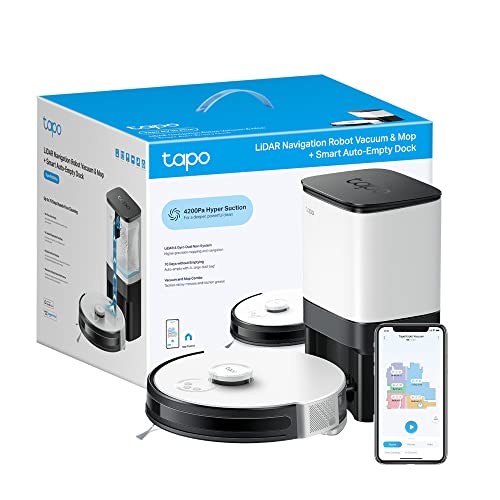
One of the most important aspects of robot navigation is mapping. A clear map of your area allows the robot to plan its cleaning route and avoid bumping into walls or furniture.
You can also use the app to label rooms, set cleaning schedules and create virtual walls or no-go zones to stop the robot from entering certain areas such as a cluttered desk or TV stand.
What is LiDAR?
LiDAR is a sensor which analyzes the time taken by laser beams to reflect from a surface before returning to the sensor. This information is used to build the 3D cloud of the surrounding area.
The resulting data is incredibly precise, down to the centimetre. This lets the robot recognize objects and navigate more precisely than a simple camera or gyroscope. This is why it is an ideal vehicle for self-driving cars.
Lidar can be employed in either an airborne drone scanner or scanner on the ground, to detect even the tiniest details that would otherwise be hidden. The data is used to create digital models of the environment around it. These can be used for traditional topographic surveys monitoring, documentation of cultural heritage and even forensic applications.
A basic lidar system consists of a laser transmitter and receiver which intercepts pulse echos. An optical analyzing system process the input, and a computer visualizes a 3-D live image of the surrounding area. These systems can scan in three or two dimensions and collect an enormous amount of 3D points within a brief period of time.
These systems can also collect detailed spatial information, including color. A lidar data set may contain other attributes, like amplitude and intensity as well as point classification and RGB (red blue, red and green) values.
Lidar systems are common on drones, helicopters, and even aircraft. They can measure a large area of Earth's surface in just one flight. This data is then used to build digital models of the environment for monitoring environmental conditions, mapping and assessment of natural disaster risk.
Lidar can be used to measure wind speeds and determine them, which is crucial in the development of new renewable energy technologies. It can be used to determine optimal placement for solar panels or to assess the potential of wind farms.
In terms of the best vacuum robot lidar cleaners, LiDAR has a major advantage over gyroscopes and cameras, particularly in multi-level homes. It is able to detect obstacles and work around them, meaning the robot is able to take care of more areas of your home in the same amount of time. To ensure the best performance, it's important to keep the sensor clean of dirt and dust.
What is LiDAR Work?
댓글목록
등록된 댓글이 없습니다.