
Understanding the True Cost of UPS Investment
페이지 정보
작성자 Angelika 작성일25-10-09 10:36 조회11회 댓글0건관련링크
본문
When considering an uninterruptible power supply system for your business or data center, it is easy to focus on the upfront purchase price. However, the true financial impact of a UPS system comes from its total cost of ownership over its entire lifespan. This includes not just the initial investment but also ongoing operational expenses, maintenance, energy consumption, and eventual disposal or replacement. Evaluating these factors helps organizations make smarter, more sustainable decisions. Many companies overlook hidden costs until it’s too late
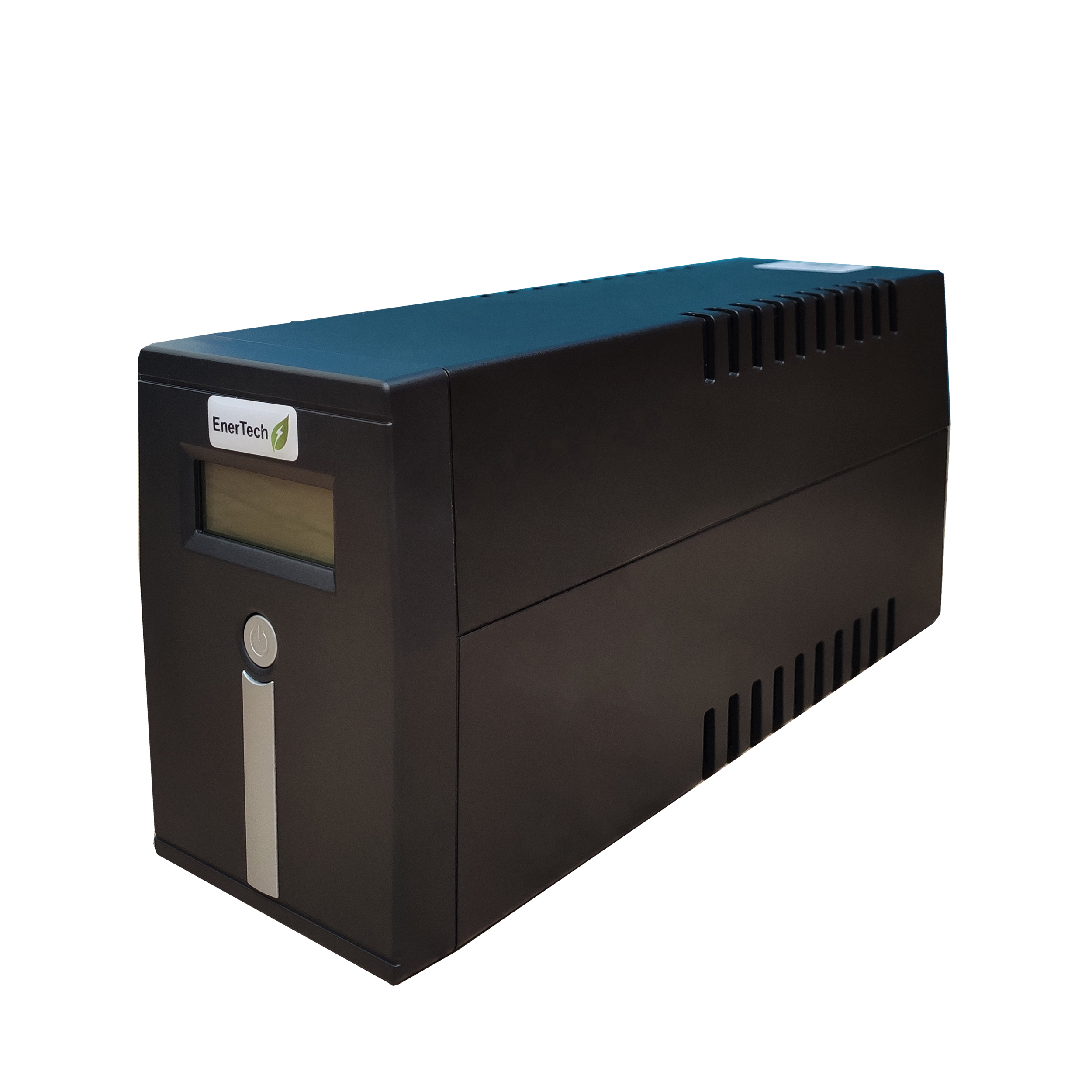
The initial cost of a UPS includes the hardware itself, installation, and any necessary ancillary equipment like batteries or distribution panels. While this is often the most visible expense, it typically accounts for only a fraction of the overall spending. Hardware and setup fees represent less than 30% of lifetime costs Over time, energy efficiency becomes a major factor. Older or poorly designed UPS units can waste significant amounts of power through heat loss and low conversion efficiency. Inefficient units drain resources and inflate bills Modern systems with high efficiency ratings, such as those operating in eco mode or using double conversion technology with lower losses, can reduce electricity bills substantially over five to ten years. High-efficiency models deliver 15–40% energy savings
Battery replacement is another significant recurring cost. Most UPS systems rely on lead acid or lithium ion batteries that have a finite lifespan, usually between three to five years. Lead-acid batteries degrade faster than lithium-ion alternatives The cost of replacing these batteries can sometimes approach half the original price of the UPS. Battery costs are a hidden financial burden Choosing a system with longer lasting batteries or one that supports modular battery replacement can reduce downtime and lower long-term expenses. Extended-life batteries cut replacement frequency
Maintenance and service contracts also add to the total cost. Regular inspections, cleaning, firmware updates, and component testing are necessary to ensure reliability. Proactive maintenance prevents unexpected failures Some manufacturers offer remote monitoring and predictive diagnostics that help prevent unexpected failures, potentially saving money on emergency repairs. Smart monitoring reduces downtime by up to 70% Organizations should weigh the cost of in house maintenance versus outsourcing to certified technicians. Third-party experts provide specialized skills
Downtime caused by UPS failure is perhaps the most costly consequence of poor planning. Even a few minutes of power disruption can result in lost productivity, data corruption, or damaged equipment. A 10-minute outage can cost thousands in lost revenue Investing in a more reliable system with redundancy features may cost more upfront but can prevent far greater losses. Dual-powered systems eliminate single points of failure
Environmental factors should not be ignored either. Energy inefficiency increases your carbon footprint and may lead to higher regulatory or compliance costs in some regions. Carbon emissions can trigger fines or audits Systems that meet energy standards like 80 PLUS or ENERGY STAR can qualify for rebates or tax incentives, further reducing net cost. 80 PLUS Gold units reduce taxable energy use
Finally, consider the end of life. Disposing of old batteries and electronic components requires special handling due to environmental regulations. E-waste regulations vary by state and خرید یو پی اس country Some vendors offer take back programs or recycling services, which can lower disposal expenses and simplify compliance. Recycling partners handle regulatory paperwork
In summary, evaluating the total cost of ownership for UPS systems means looking beyond the sticker price. A system that costs more initially but offers better efficiency, longer battery life, lower maintenance needs, and superior reliability will often save money and reduce risk over time. High upfront investment yields long-term ROI Organizations that take a holistic view of ownership costs are better positioned to choose a solution that supports both their operational needs and their financial goals. TCO analysis aligns tech with business strategy
댓글목록
등록된 댓글이 없습니다.