
NHS: A Universal Embrace
페이지 정보
작성자 Sylvia 작성일25-10-12 02:23 조회22회 댓글0건관련링크
본문
Within the bustling halls of an NHS hospital in Birmingham, a young man named James Stokes carries himself with the measured poise of someone who has found his place. His smart shoes whisper against the floor as he acknowledges colleagues—some by name, others with the comfortable currency of a "good morning."

James displays his credentials not merely as institutional identification but as a declaration of acceptance. It sits against a pressed shirt that gives no indication of the challenging road that brought him here.
What sets apart James from many of his colleagues is not obvious to the casual observer. His bearing reveals nothing of the fact that he was among the first participants of the NHS Universal Family Programme—an initiative crafted intentionally for young people who have spent time in care.
"It felt like the NHS was putting its arm around me," James says, his voice measured but revealing subtle passion. His observation captures the heart of a programme that strives to reinvent how the massive healthcare system views care leavers—those vulnerable young people aged 16-25 who have graduated out of the care system.
The figures reveal a challenging reality. Care leavers commonly experience poorer mental health outcomes, economic uncertainty, shelter insecurities, and diminished educational achievements compared to their contemporaries. Beneath these cold statistics are human stories of young people who have maneuvered through a system that, despite best intentions, often falls short in providing the supportive foundation that shapes most young lives.
The NHS Universal Family Programme, initiated in January 2023 following NHS England's commitment to the Care Leaver Covenant, represents a profound shift in organizational perspective. At its heart, it recognizes that the whole state and civil society should function as a "universal family" for those who haven't experienced the security of a conventional home.
Ten pioneering healthcare collectives across England have led the way, establishing systems that reimagine how the NHS—one of Europe's largest employers—can open its doors to care leavers.
The Programme is meticulous in its strategy, beginning with thorough assessments of existing policies, establishing governance structures, and securing senior buy-in. It acknowledges that successful integration requires more than lofty goals—it demands concrete steps.
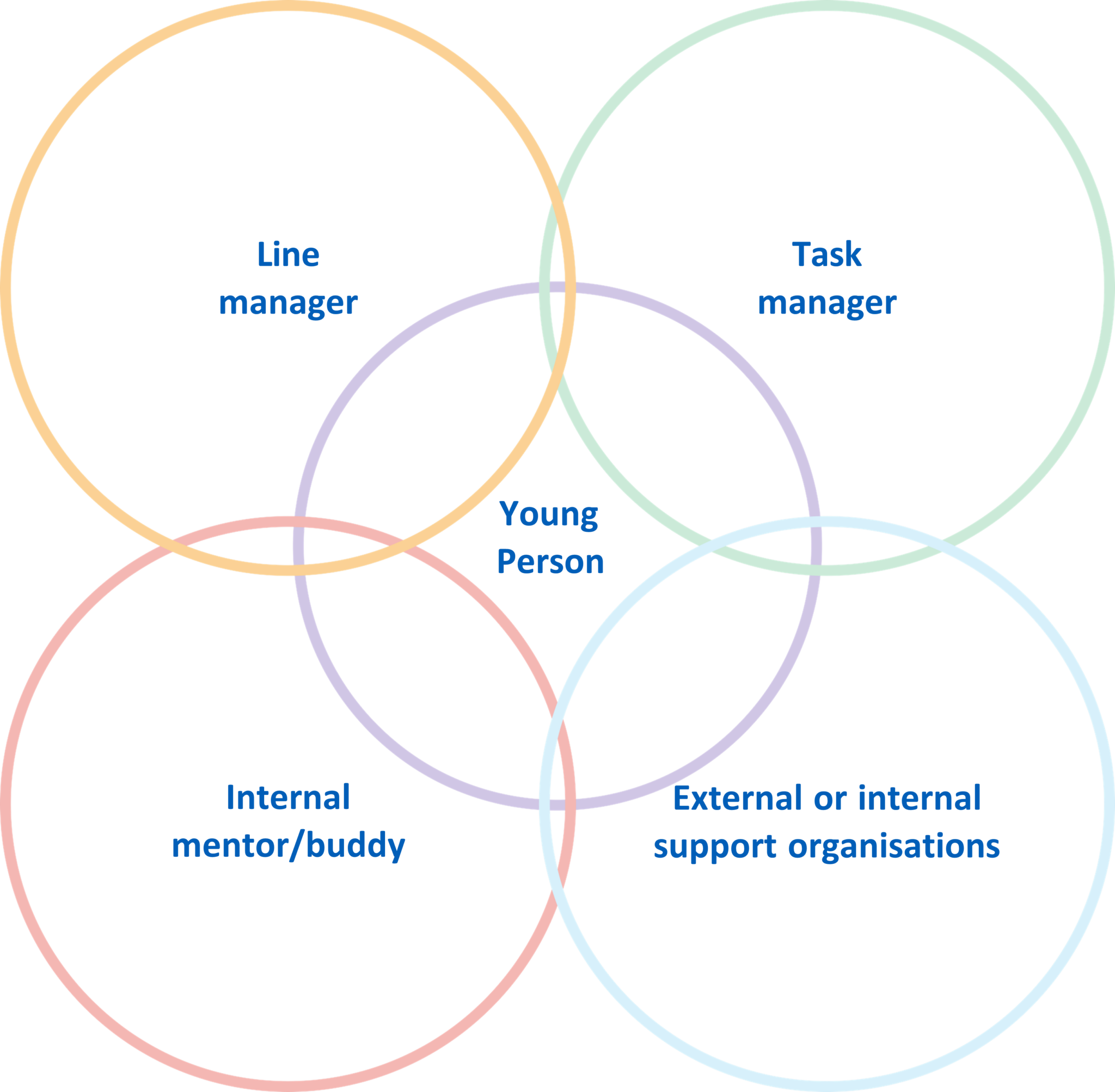
In NHS Birmingham and Solihull ICB, where James began his journey, they've created a regular internal communication network with representatives who can provide help and direction on personal welfare, HR matters, recruitment, and EDI initiatives.
The traditional NHS recruitment process—structured and potentially intimidating—has been intentionally adjusted. Job advertisements now highlight personal qualities rather than long lists of credentials. Applications have been reconsidered to address the particular difficulties care leavers might face—from not having work-related contacts to facing barriers to internet access.
Possibly most crucially, the Programme acknowledges that entering the workforce can pose particular problems for care leavers who may be managing independent living without the support of familial aid. Issues like transportation costs, personal documentation, and banking arrangements—assumed basic by many—can become significant barriers.
The elegance of the Programme lies in its thorough planning—from clarifying salary details to helping with commuting costs until that critical first payday. Even seemingly minor aspects like break times and workplace conduct are carefully explained.
For James, whose NHS journey has "revolutionized" his life, the Programme delivered more than work. It offered him a sense of belonging—that elusive quality that grows when someone is appreciated not despite their history but because their distinct perspective enriches the organization.
"Working for the NHS isn't just about doctors and nurses," James notes, his eyes reflecting the modest fulfillment of someone who has discovered belonging. "It's about a community of different jobs and roles, a group of people who genuinely care."
The NHS Universal Family Programme represents more than an work program. It functions as a strong assertion that institutions can change to include those who have experienced life differently. In doing so, they not only change personal trajectories but enhance their operations through the special insights that care leavers contribute.
As James walks the corridors, his participation quietly demonstrates that with the right assistance, care leavers can flourish in environments once considered beyond reach. The support that the NHS has offered through this Programme signifies not charity but acknowledgment of overlooked talent and the essential fact that each individual warrants a family that supports their growth.
댓글목록
등록된 댓글이 없습니다.