
Premium Quality Arabica Coffee Beans Tips From The Best In The Industr…
페이지 정보
작성자 Faith Mundy 작성일24-08-10 14:11 조회30회 댓글0건관련링크
본문
Premium Quality Arabica Coffee Beans
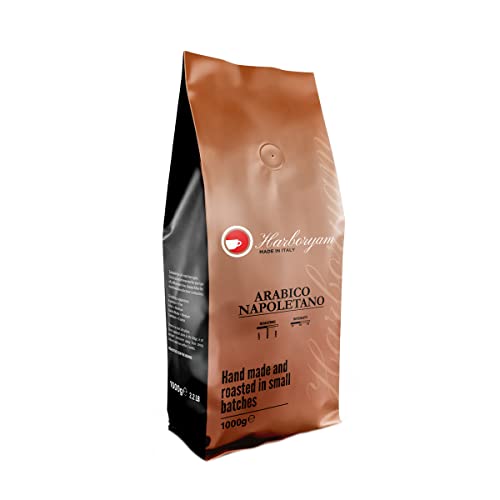 Coffee drinkers from all over the globe are increasingly opting to brew premium quality arabica beans. The benefits of brewing premium arabica beans go beyond the taste of a cup.
Arabica coffee beans are carefully sourced and marketed by roasters who are enthusiastic about the origin processing, flavor and origin of their product. They are less caffeine-rich and have a smoother, sweeter taste profile.
Sweetness
When choosing your coffee, select arabica beans of top quality that are lightly medium-roasted and processed with natural or honey methods. These beans will naturally sweeten your coffee without adding sugar or syrups. This is a type of coffee that is able to be enjoyed as a black coffee or with a splash of milk to add the texture and richness. By experimenting with different roasts and brewing methods you can experience the sweetness of specialty coffee.
The majority of coffee in the world is sourced from the Coffea arabica plant, accounting for nearly three quarters of the global production. Arabica beans are regarded as superior in terms of flavor and aroma and have a rounded and sweeter taste over their Robusta counterparts. They are also grown at higher elevations which gives them more floral, fruity or articulate flavor profile.
The distinctive characteristics of arabica beans are the reason why they are highly regarded within the coffee community. They are also preferred over other varieties. The arabica bean is smoother than other beans, which makes it perfect for coffee consumed with milk or black.
It is, therefore, among the most expensive coffees available to buy, but its smooth flavor and ability to be enjoyed at any time of the day makes it a sought-after selection amongst many. It is important to remember that not all arabica is the same, and that there are different types of arabica available on the market.
You'll notice that the majority of premium and gourmet coffees are made of high-quality arabica beans, which can be identified by the type of roast and the tasting notes on the label. If you are buying coffee from a local grocery retailer, or a major chain such as Dunkin' Donuts make sure to look over the labels and look for "100 percent Arabicica".
You will know that the coffee is of top quality if the label description uses specific tasting notes like brown sugar and blueberry. Some brands employ more general terms, such as breakfast blend or french roast to make it clear that the coffee is arabica based.
Less Caffeine
Arabica is the ideal choice for premium, high-end specialty coffees. While Robusta beans aren't out of place (they are frequently used to add body, bitterness, and aroma to blends) but they're not the best choice when it comes to Robusta. In fact, it's the beans of choice for the majority of premium coffee brands.
Arabica beans are more smooth and sweet than other types of coffee beans. They also have a unique flavor that can be enhanced by different levels of roasting. Their delicate nature allows for a variety of flavors to be created such as citrus, floral spices and even chocolatey notes. Additionally arabica beans possess less chlorogenic acid and lower levels of caffeine than other types of coffee.
Typica is the most popular arabica bean variety. It is indigenous to Ethiopia and has a clean sweet and sweet flavor. Another variety that is popular is Bourbon, which is the mother bean for many modern arabicas. It is usually grown in Central America, but is also grown all over the globe. It is more susceptible to disease and coffeee pests but is highly prized for its superior taste and smoothness.
Another advantage of arabica is that it tends to have less caffeine than Robusta coffee beans, which means that you can drink a cup without feeling the usual negative effects such as jitters or insomnia. The amount of caffeine contained in the cup of coffee will vary depending on the size of the serving and the brewing method. Be sure to check the label.
The growing conditions and the altitude where the coffee was grown are two major factors that influence the quality of an arabica cup. This is particularly applicable to single-origin arabicas which have distinct flavor profiles that reflect the region's terroir. It is therefore crucial to only buy arabica from reputable firms that value transparency in their source.
Versatility
Arabica beans can produce a wide variety of flavor notes and nuance. Their versatility is among the reasons why this variety of coffee has a reputation as superior to Robusta in terms of quality and taste.
This is due to the fact that arabica beans are more versatile in the ways they are roasted, with light roasts still retaining an apricot and sweet flavor while darker roasts have the potential to be incredibly chocolaty. They are also more versatile than Robusta beans due to the fact that they are less acidic.
These distinct flavour profiles result from the fact arabica beans come from a variety of cultivars hybrids, and varieties. These mutations result in a variety of flavours as well as different levels of production, as well as different adaptability to changing conditions of the weather. The fact that arabica plants are crossbred with Robusta to increase their resistance against diseases and pests further enhances their flexibility.
For the average coffee drinker, this is fantastic news because it means that premium quality arabica beans are more readily available than before. This has resulted in an increase in demand for traceable and single-origin coffees that come directly from an area. This also means that a greater focus is put on ethical sourcing, fair pay for farmers and sustainable growing methods.
It is important to remember that despite their popularity and versatility however, the majority of instant blends and coffees in the supermarket use Robusta beans. It is because they're cheaper to cultivate and source and have a more caffeine-infused taste. For those who wish to emphasize the natural qualities of their coffee, however, it is really worth seeking out specialty blends that are exclusively made from arabica beans. This will ensure that your cup is as delicious as it can be.
Origin
When you Buy Subtle Earth Organic Medium-Dark Roast Coffee Beans premium quality arabica beans, you get an item made solely from coffea Arabicica plants. These beans are of superior quality and taste much better than Robusta coffee that you will find in grocery stores. Robusta coffee beans have a higher percentage of caffeine than arabica. As a result, they are more bitter and less flavorful.
The nutty, chocolaty, and fruity flavors associated with arabica coffee beans are largely dependent on the specific variety of beans, the region of origin, cultivation practices, and roasting techniques. The taste profiles of arabica brews are dependent on the aroma, acidity, and body of the beans, as well as the individual preference.
In general arabica beans have a mild flavor with balanced acidity and smooth body. This is what distinguishes it from the brews that are made from lower quality beans. The intensity of the flavor may vary dramatically based on how the beans are roasted which can alter the overall flavor, smell, and acidity.
The majority of arabica beans are grown in South and Central America. This includes Brazil, Colombia and Honduras. Ethiopia is the country that is known for its finest arabica beans. Its unique terroir, made up of nutrient-rich soil and ideal climate, contribute to the distinct flavors that are characteristic of this particular coffee.
There are a lot of excellent arabica products on the market. Although the majority of arabica beans are hybrids of different coffee species and varietals there are also single-origin arabicas. These beans are a true representation of the coffee grown in a specific region, and they are often more expensive than other types of coffee.
Bourbon and Typica arabica, two of the most well-known varieties of coffee, are the base for many other Arabica varieties. The Timor Hybrid (also known as "Typica") is an introgressed Arabica, which contains a small amount genetic material from C. canephora. The plant was introduced into the arabica population to allow the cultivation of strains that are resistant to leaf rust. This is an important aspect in the coffee industry.
Coffee drinkers from all over the globe are increasingly opting to brew premium quality arabica beans. The benefits of brewing premium arabica beans go beyond the taste of a cup.Arabica coffee beans are carefully sourced and marketed by roasters who are enthusiastic about the origin processing, flavor and origin of their product. They are less caffeine-rich and have a smoother, sweeter taste profile.
Sweetness
When choosing your coffee, select arabica beans of top quality that are lightly medium-roasted and processed with natural or honey methods. These beans will naturally sweeten your coffee without adding sugar or syrups. This is a type of coffee that is able to be enjoyed as a black coffee or with a splash of milk to add the texture and richness. By experimenting with different roasts and brewing methods you can experience the sweetness of specialty coffee.
The majority of coffee in the world is sourced from the Coffea arabica plant, accounting for nearly three quarters of the global production. Arabica beans are regarded as superior in terms of flavor and aroma and have a rounded and sweeter taste over their Robusta counterparts. They are also grown at higher elevations which gives them more floral, fruity or articulate flavor profile.
The distinctive characteristics of arabica beans are the reason why they are highly regarded within the coffee community. They are also preferred over other varieties. The arabica bean is smoother than other beans, which makes it perfect for coffee consumed with milk or black.
It is, therefore, among the most expensive coffees available to buy, but its smooth flavor and ability to be enjoyed at any time of the day makes it a sought-after selection amongst many. It is important to remember that not all arabica is the same, and that there are different types of arabica available on the market.
You'll notice that the majority of premium and gourmet coffees are made of high-quality arabica beans, which can be identified by the type of roast and the tasting notes on the label. If you are buying coffee from a local grocery retailer, or a major chain such as Dunkin' Donuts make sure to look over the labels and look for "100 percent Arabicica".
You will know that the coffee is of top quality if the label description uses specific tasting notes like brown sugar and blueberry. Some brands employ more general terms, such as breakfast blend or french roast to make it clear that the coffee is arabica based.
Less Caffeine
Arabica is the ideal choice for premium, high-end specialty coffees. While Robusta beans aren't out of place (they are frequently used to add body, bitterness, and aroma to blends) but they're not the best choice when it comes to Robusta. In fact, it's the beans of choice for the majority of premium coffee brands.
Arabica beans are more smooth and sweet than other types of coffee beans. They also have a unique flavor that can be enhanced by different levels of roasting. Their delicate nature allows for a variety of flavors to be created such as citrus, floral spices and even chocolatey notes. Additionally arabica beans possess less chlorogenic acid and lower levels of caffeine than other types of coffee.
Typica is the most popular arabica bean variety. It is indigenous to Ethiopia and has a clean sweet and sweet flavor. Another variety that is popular is Bourbon, which is the mother bean for many modern arabicas. It is usually grown in Central America, but is also grown all over the globe. It is more susceptible to disease and coffeee pests but is highly prized for its superior taste and smoothness.
Another advantage of arabica is that it tends to have less caffeine than Robusta coffee beans, which means that you can drink a cup without feeling the usual negative effects such as jitters or insomnia. The amount of caffeine contained in the cup of coffee will vary depending on the size of the serving and the brewing method. Be sure to check the label.
The growing conditions and the altitude where the coffee was grown are two major factors that influence the quality of an arabica cup. This is particularly applicable to single-origin arabicas which have distinct flavor profiles that reflect the region's terroir. It is therefore crucial to only buy arabica from reputable firms that value transparency in their source.
Versatility
Arabica beans can produce a wide variety of flavor notes and nuance. Their versatility is among the reasons why this variety of coffee has a reputation as superior to Robusta in terms of quality and taste.
This is due to the fact that arabica beans are more versatile in the ways they are roasted, with light roasts still retaining an apricot and sweet flavor while darker roasts have the potential to be incredibly chocolaty. They are also more versatile than Robusta beans due to the fact that they are less acidic.
These distinct flavour profiles result from the fact arabica beans come from a variety of cultivars hybrids, and varieties. These mutations result in a variety of flavours as well as different levels of production, as well as different adaptability to changing conditions of the weather. The fact that arabica plants are crossbred with Robusta to increase their resistance against diseases and pests further enhances their flexibility.
For the average coffee drinker, this is fantastic news because it means that premium quality arabica beans are more readily available than before. This has resulted in an increase in demand for traceable and single-origin coffees that come directly from an area. This also means that a greater focus is put on ethical sourcing, fair pay for farmers and sustainable growing methods.
It is important to remember that despite their popularity and versatility however, the majority of instant blends and coffees in the supermarket use Robusta beans. It is because they're cheaper to cultivate and source and have a more caffeine-infused taste. For those who wish to emphasize the natural qualities of their coffee, however, it is really worth seeking out specialty blends that are exclusively made from arabica beans. This will ensure that your cup is as delicious as it can be.
Origin
When you Buy Subtle Earth Organic Medium-Dark Roast Coffee Beans premium quality arabica beans, you get an item made solely from coffea Arabicica plants. These beans are of superior quality and taste much better than Robusta coffee that you will find in grocery stores. Robusta coffee beans have a higher percentage of caffeine than arabica. As a result, they are more bitter and less flavorful.
The nutty, chocolaty, and fruity flavors associated with arabica coffee beans are largely dependent on the specific variety of beans, the region of origin, cultivation practices, and roasting techniques. The taste profiles of arabica brews are dependent on the aroma, acidity, and body of the beans, as well as the individual preference.
In general arabica beans have a mild flavor with balanced acidity and smooth body. This is what distinguishes it from the brews that are made from lower quality beans. The intensity of the flavor may vary dramatically based on how the beans are roasted which can alter the overall flavor, smell, and acidity.
The majority of arabica beans are grown in South and Central America. This includes Brazil, Colombia and Honduras. Ethiopia is the country that is known for its finest arabica beans. Its unique terroir, made up of nutrient-rich soil and ideal climate, contribute to the distinct flavors that are characteristic of this particular coffee.
There are a lot of excellent arabica products on the market. Although the majority of arabica beans are hybrids of different coffee species and varietals there are also single-origin arabicas. These beans are a true representation of the coffee grown in a specific region, and they are often more expensive than other types of coffee.
Bourbon and Typica arabica, two of the most well-known varieties of coffee, are the base for many other Arabica varieties. The Timor Hybrid (also known as "Typica") is an introgressed Arabica, which contains a small amount genetic material from C. canephora. The plant was introduced into the arabica population to allow the cultivation of strains that are resistant to leaf rust. This is an important aspect in the coffee industry.
댓글목록
등록된 댓글이 없습니다.