
The Companies That Are The Least Well-Known To In The Condensation In …
페이지 정보
작성자 Donte 작성일25-11-25 01:51 조회3회 댓글0건관련링크
본문
Understanding Condensation in Windows: Causes, Consequences, and Solutions
Condensation on windows is a typical sight, specifically throughout colder months. While it can be a nuisance, comprehending its causes, ramifications, and solutions is important for property owners. This article dives deep into the phenomenon of condensation, discussing its impacts on window health and indoor air quality, while likewise offering actionable guidance to alleviate the problem.
What Causes Condensation?
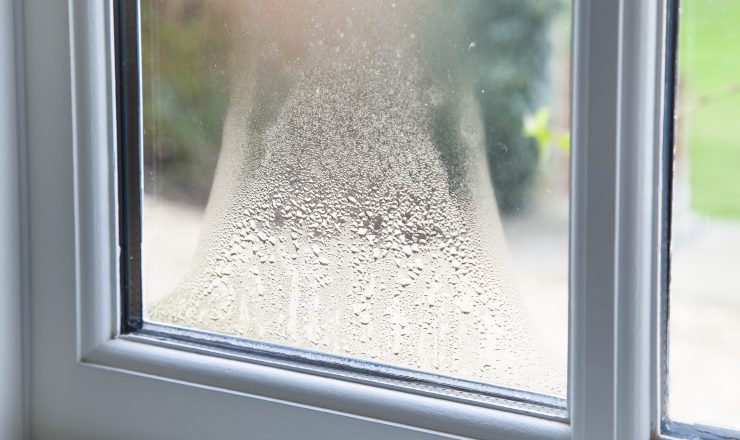
Condensation happens when warm, moist air enters contact with a cooler surface, causing the transformation of vapor into liquid water. Numerous elements contribute to this typical occurrence:

- Temperature Differences: The most substantial factor is the temperature differential between the indoor air (which can hold more moisture) and the cooler window surface areas.
- Humidity Levels: High levels of indoor humidity, frequently from cooking, bathing, or perhaps plants, can raise moisture in the air.
- Insulation Quality: Poorly insulated windows or frames can lead to unequal temperature levels, making them prone to condensation.
- Air Circulation: Stagnant air near windows prevents moisture from dispersing.
- Weather: External temperature levels affect indoor conditions; throughout winter, cold air outside triggers a significant drop in window temperatures.
| Element | Description |
|---|---|
| Temperature level Differential | Warm air meets cold Foggy Window Restoration surfaces, causing condensation. |
| Humidity Levels | Raised indoor humidity from day-to-day activities or environmental elements. |
| Insulation Quality | Poor insulation results in cooler window surface temperature levels. |
| Air Circulation | Stagnant air traps moisture near the window. |
| Weather | External cold weather effects indoor temperature levels and humidity. |
Repercussions of Window Condensation
1. Damage to Windows and Frames
Extended condensation can lead to problems such as:
- Mold Growth: Moist environments promote mold, which can damage window seals and frames.
- Degeneration: Excess moisture can rot wooden frames or rust metal components.
- Glass Condensation Repair Distortion: Over time, accumulated moisture can impact the integrity of window glass.
2. Indoor Air Quality Concerns
Condensation can add to:
- Poor Air Quality: High humidity levels help with allergen and allergens.
- Respiratory Issues: Mold and mildew can intensify allergic reactions and breathing conditions.
3. Increased Energy Costs
Condensation generally signifies bad insulation, resulting in:
- Higher Heating Bills: Inefficient windows can lead to heat loss, raising energy costs.
Avoidance and Solutions
To manage and avoid condensation on windows, consider the following strategies:
1. Control Indoor Humidity
- Use Dehumidifiers: Operate dehumidifiers in moisture-prone locations (like kitchens and restrooms) to maintain optimum humidity levels (30-50%).
- Ventilate Your Home: Use exhaust fans during cooking and bathing, and keep windows open when weather allows.
2. Enhance Insulation
- Update Windows: Repair Double Glazing Units or triple-pane windows provide much better insulation than single-pane units.
- Insulate Frames: Ensure window frames have appropriate weather stripping and insulation to prevent cold air invasion.
3. Enhance Air Circulation
- Keep Curtains Open: Allow warm air to distribute around windows; avoid heavy drapes that trap moisture.
- Usage Ceiling Fans: Circulate air successfully, particularly in spaces with high humidity.
4. Display Indoor Temperature
- Heat Strategically: Maintaining a consistent indoor temperature level can reduce temperature differentials on window surface areas.
- Avoid Extreme Temperatures: Ensure warm air is dispersed uniformly throughout your home.
5. Window Treatments
- Set Up Storm Repairing Misted Windows: These provide an extra layer of insulation.
- Usage Window Pane Repair Films: Reflective movies can help to lower temperature levels on window surface areas.
6. Routine Maintenance
- Examine Windows Regularly: Check for fractures and sealant deterioration.
- Get rid of Condensation: Wipe down windows frequently to avoid mold and mildew development.
FREQUENTLY ASKED QUESTION: Addressing Common Concerns about Window Condensation
Q1: What is the perfect humidity level inside?
A: Ideally, indoor humidity needs to be kept at 30-50% to prevent condensation and promote overall comfort.
Q2: Is condensation on the inside of windows even worse than on the exterior?
A: Yes, condensation inside shows high indoor humidity, which might result in mold growth and structural damage. Outdoors condensation generally isn't an issue.
Q3: How can I tell if my windows are badly insulated?
A: Signs include noticeable drafts, condensation buildup, and increased energy costs throughout heating months.
Q4: Can I fix condensation issues without changing my windows?
A: Yes, lots of concerns can be mitigated through enhanced humidity control, insulation, and air blood circulation.
Q5: Are there any DIY solutions for preventing window condensation?
A: Simple methods such as utilizing dehumidifiers, guaranteeing appropriate ventilation, and applying weather removing can be efficient.
Window condensation is a common problem that lots of homeowners face. Comprehending its causes and repercussions is vital for maintaining a healthy indoor environment. Through reliable management methods-- regulating humidity, improving insulation, and enhancing air flow-- property owners can reduce the probability of condensation and its involved issues. By taking proactive actions, one can safeguard their windows, enhance air quality, and save money on energy costs, leading to a healthier and more comfy home environment.
댓글목록
등록된 댓글이 없습니다.