
Imaging-Driven Optimization of Adhesive Formulations
페이지 정보
작성자 Evelyne 작성일25-12-31 16:18 조회2회 댓글0건관련링크
본문
Imaging data plays a critical role in refining adhesive formulations by offering detailed visual insights into the internal structure and behavior of adhesive systems under various conditions.
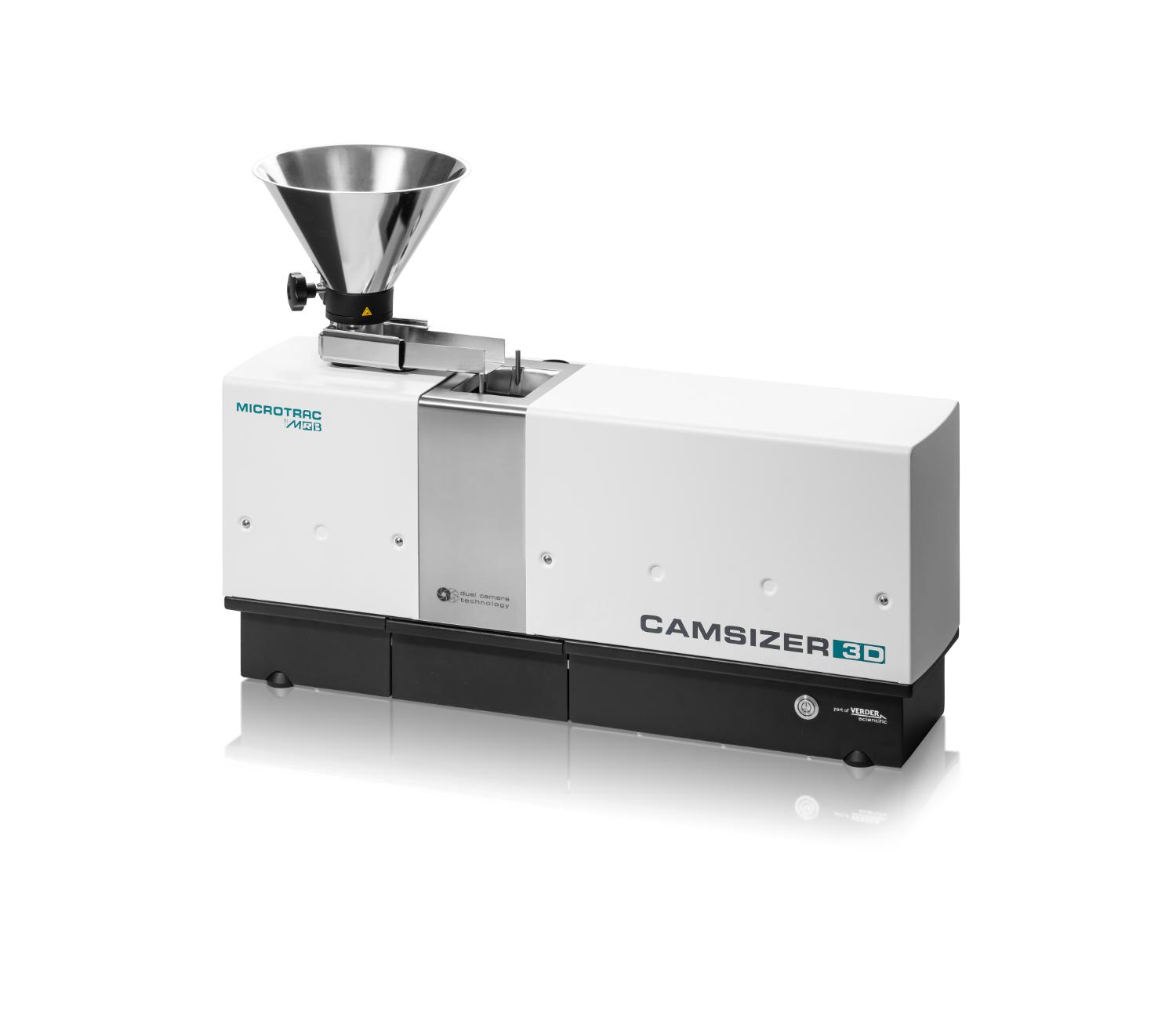
Where mechanical tests offer broad averages, imaging tools including SEM, confocal microscopy, and micro-CT uncover fine-grained details of filler dispersion, void networks, interfacial adhesion, and phase segregation invisible to bulk analysis.
The insights gained from imaging serve as a direct basis for recalibrating critical formulation elements: polymer-to-polymer ratios, filler loading levels, curing catalyst selections, and solvent mixtures to achieve optimal homogeneity and performance.
For example, if adhesion fails on a target surface, imaging can pinpoint whether the root cause is inadequate surface wetting, trapped air bubbles, or separation occurring precisely at the adhesive-substrate boundary.
By analyzing these failure modes visually, chemists can modify the surface energy of the adhesive by adjusting resin polarity or introducing surfactants to improve adhesion.
Similarly, if imaging shows uneven dispersion of reinforcing fillers, the mixing protocol or the use of coupling agents can be revised to ensure homogeneity, which enhances mechanical integrity and consistency across batches.
In thermally cured systems, time-lapse imaging during curing can track the progression of crosslinking and shrinkage in real time.
By correlating real-time imaging with cure parameters, engineers can design thermal profiles that reduce internal strain, thereby preventing warping, microcracking, and delamination in the final bonded assembly.
For pressure-sensitive adhesives, optical imaging can detect unwanted crystallization or phase segregation that dulls tack and weakens peel performance, leading to the incorporation of tackifying resins or plasticizing agents to sustain a homogeneous amorphous phase.
When subjected to environmental aging, imaging uncovers hidden degradation signals—such as hydrolytic cleavage, radical oxidation, or surfactant efflorescence—that compromise long-term durability and require targeted stabilization.
These insights directly inform the inclusion of UV absorbers, radical scavengers, or moisture barriers to extend functional lifespan and resist environmental erosion.
The fusion of automated image metrics with formulation parameters empowers teams to construct statistical models that map microstructure to performance, shifting development from empirical experimentation to predictive science.
Thus, imaging turns adhesive formulation from a reaction to failures into a proactive, 粒子形状測定 mechanism-driven engineering discipline grounded in visual evidence and quantitative analysis.
Rather than merely measuring results, imaging fosters a deep comprehension of failure and performance drivers, allowing formulators to engineer enhancements with precision, confidence, and reproducibility.
As these technologies grow more affordable, faster, and higher-resolution, their adoption will expand across labs and production facilities, cementing imaging as a foundational pillar in the design of future-adhesive materials.
댓글목록
등록된 댓글이 없습니다.