
Software Controls: The Engine Behind Modern Paint Automation
페이지 정보
작성자 Pat 작성일26-01-08 02:44 조회7회 댓글0건관련링크
본문
In modern manufacturing environments, software controls are now essential in achieving operational excellence. These controls serve as the core intelligence hub of the paint line, orchestrating all phases from prep to cure with meticulous repeatability. By leveraging machine-driven models, continuous monitoring, and autonomous adjustments, software controls enable manufacturers to minimize waste, reduce cycle times, and ensure uniform coating quality across vast production volumes.
One of the primary functions of software controls is the orchestration of material flow and robotic application. Sensors embedded throughout the line provide ongoing monitoring of part alignment, substrate temp, and surrounding air quality. The software processes this data in real time to tune atomization, direction, and fluid supply for Tehran Poshesh each individual component. This dynamic calibration ensures ideal coating depth regardless of part shape, eliminating defects such as runs, orange peel, or uneven coverage that were once common in manual or semi automated systems.
Energy efficiency and environmental compliance are also substantially optimized using adaptive software. Modern systems can recognize incoming parts and trigger localized spray zones, reducing power usage and VOC output. Moreover, the software records all operational settings per batch, providing verifiable documentation aligned with global environmental and automotive norms. This traceability not only facilitates audits and accelerates defect diagnosis when anomalies occur.
Predictive maintenance is another key advantage enabled by advanced software controls. Rather than relying on timed servicing or breakdown-driven fixes, the system constantly assesses pump performance, spray tip condition, and motion components. Trends in vibration, temperature, and fluid pressure are analyzed to anticipate breakdowns proactively. This proactive approach minimizes stoppages, boosts asset longevity, and cuts service expenditures.
Integration with ERP and MES platforms further elevates the value of software controls. Manufacturing orders, recipe parameters, and pigment shifts can be dynamically synced from the master scheduling engine, ensuring seamless transitions between product variants. Operators are guided through guided workflows on touchscreen terminals, reducing training time and minimizing human error. Cross functional teams can access live performance hubs tracking output, efficiency, and defect rates, fostering a analytics-based mindset for ongoing optimization.
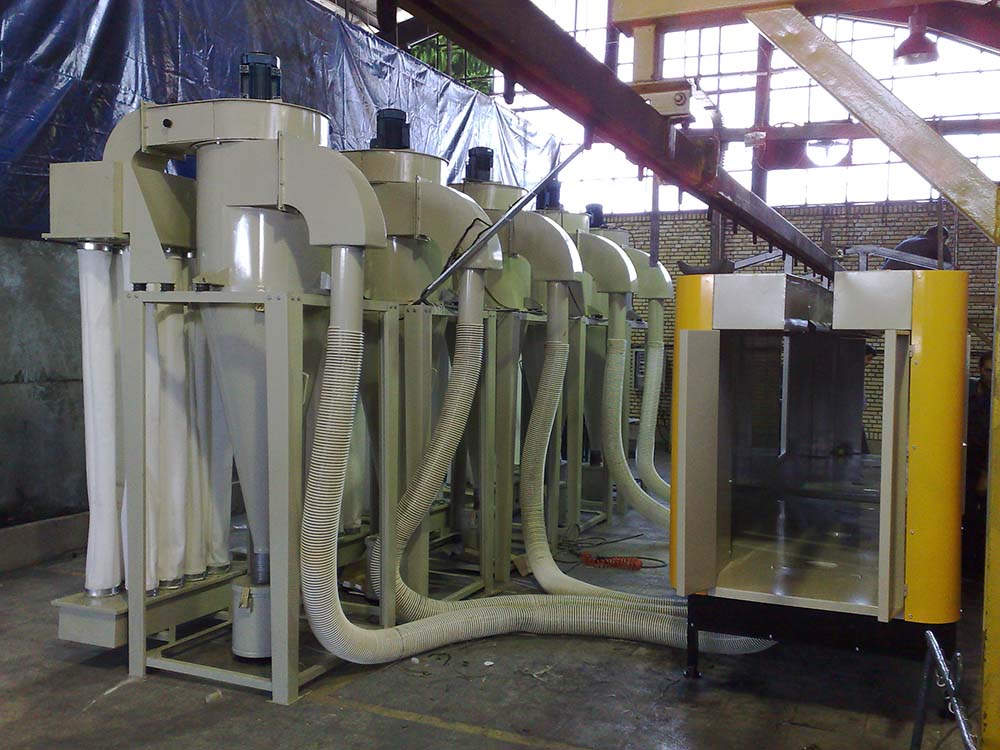
As AI and ML technologies grow more affordable and widespread, the next evolution of software controls will involve autonomous fine-tuning. Systems will learn from historical performance data to recommend adjustments that improve finish quality or reduce material usage, without compromising production speed. This adaptive intelligence promises to transform paint lines from automated assemblies into adaptive, intelligent manufacturing units.
Ultimately, software controls are no longer supplementary features but core drivers of market leadership in advanced paint line automation. They connect physical machinery with cognitive decision-making, turning unoptimized throughput into a smart, adaptive, and environmentally responsible capability. Manufacturers who deploy advanced, future-proof control systems now will be best positioned to meet the demands of tomorrow’s high precision, low waste, and highly customized production landscapes.
댓글목록
등록된 댓글이 없습니다.