
AI-Powered Skin Tone Realism: Bridging Diversity in Digital Imagery
페이지 정보
작성자 Mathew 작성일26-01-16 14:02 조회5회 댓글0건관련링크
본문
Artificial intelligence has made remarkable strides in generating lifelike epidermal hues across multicultural communities, additional details addressing enduring gaps in virtual imagery and inclusivity. Historically, image generation systems produced inconsistent results for accurate skin tones for individuals with darker complexions due to biased training datasets that heavily prioritized lighter skin tones. This imbalance led to artificial-looking renders for individuals with rich melanin-rich skin, reinforcing prejudices and marginalizing entire populations from inclusive visual environments. Today, state-of-the-art generative networks leverage vast, carefully curated datasets that include thousands of skin tones from global populations, ensuring fair visual inclusion.
The key to precise pigmentation modeling lies in the depth and breadth of training data. Modern systems incorporate images sourced from a global range of ancestries, varied illumination settings, and environmental settings, captured under high-fidelity imaging protocols. These datasets are annotated not only by ancestry but also by dermal chroma, subsurface hues, and surface textures, enabling the AI to understand the fine gradations that define human skin. Researchers have also employed optical spectroscopy and chromatic measurement to map the precise reflectance properties of skin across the light wavelengths, allowing the AI to simulate how light responds variably with multiple skin tones.
Beyond data, the underlying AI model structures have evolved to handle pigmentation and surface detail with greater nuance. Convolutional layers are now trained to recognize micro patterns such as epidermal spots, texture pores, and internal light scatter—the way light transmits and disperses beneath the surface—rather than treating skin as a homogeneous plane. GAN-based architectures are fine-tuned using human-centric error metrics that prioritize human visual perception over simple pixel accuracy. This ensures that the generated skin doesn’t just conform to RGB standards but resonates visually with observers.
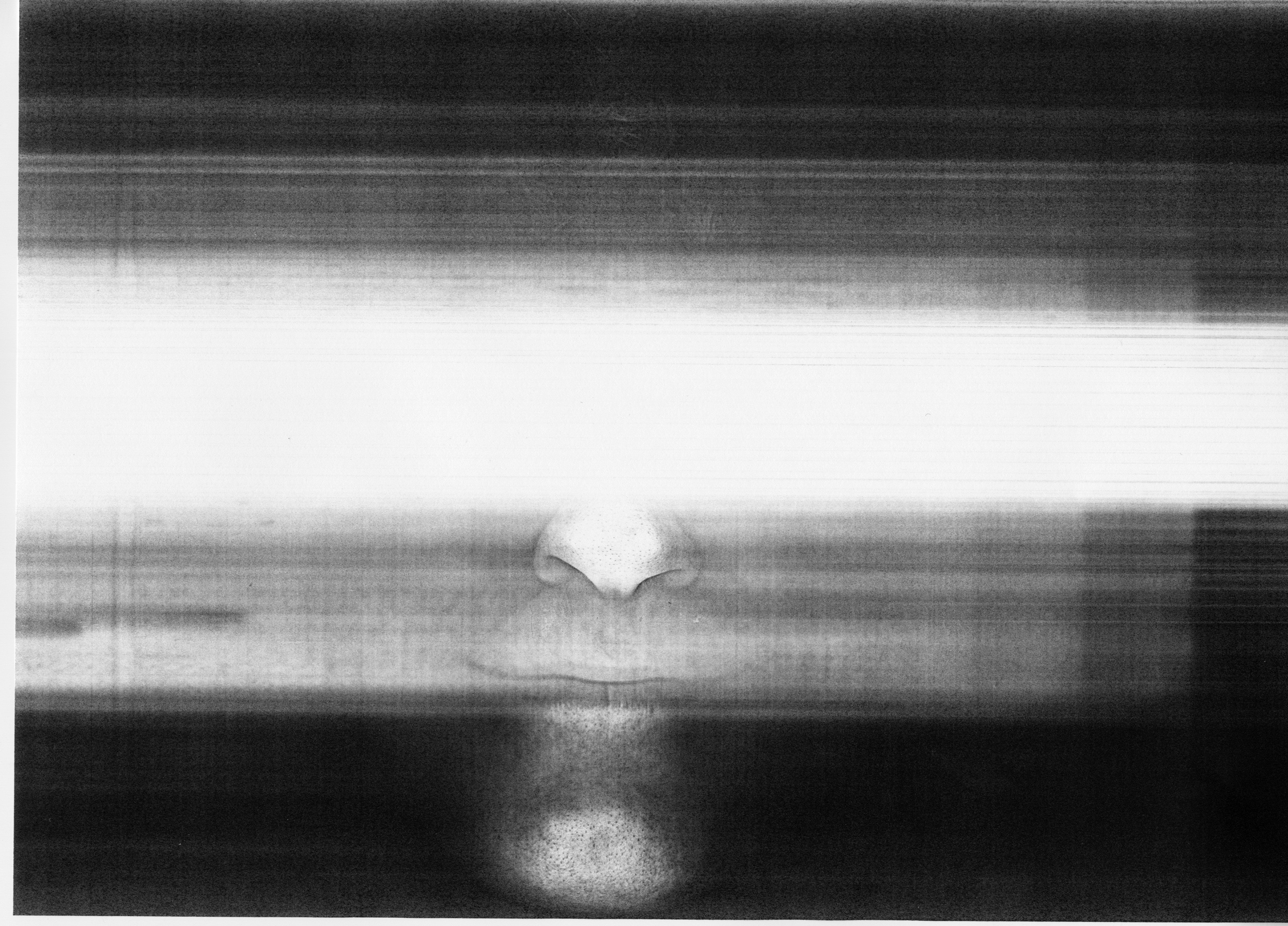
Another critical advancement is the use of context-aware chromatic correction. AI models now adjust their output dynamically based on ambient lighting, camera sensor characteristics, and even cultural preferences in color representation. For example, some communities may favor cooler or warmer undertones, and the AI learns these contextual subtleties through user-driven corrections and crowdsourced evaluations. Additionally, post-processing algorithms correct for common artifacts like color banding or over-saturation, which can make skin appear synthetic or unnatural.
Ethical considerations have also influenced the evolution of these systems. Teams now include dermatologists, anthropologists, and community representatives to ensure that representation is not only technically accurate but also ethically grounded. fairness evaluators are routinely employed to identify skewed representations, and models are tested across extensive global variance sets before deployment. collaborative platforms and model disclosure documents have further empowered researchers and developers to contribute to equitable digital practices.
As a result, AI-generated imagery today can produce authentic dermal renders that reflect the entire range of global pigmentation—with earthy ambers, mahogany shades, cinnamon tones, and ashen grays rendered with meticulous care and respect. This progress is not just a technical milestone; it is a move into a digital world that visually includes all identities, fostering understanding, equity, and confidence in machine-generated imagery.
댓글목록
등록된 댓글이 없습니다.