
Here's An Interesting Fact Concerning Powertool
페이지 정보
작성자 Tiffany Ashton 작성일26-01-23 01:14 조회2회 댓글0건관련링크
본문
The Evolution of Power Tools: Revolutionizing Construction and DIY
In the modern period, power tools have become important across various sectors, including building, woodworking, automobile, and even home enhancement. These tools, which harness electrical energy or compressed air, have substantially boosted performance, precision, and security in a vast array of jobs. This short article explores the advancement of power tools, their different types and applications, and necessary factors to consider for their usage.
A Brief History of Power Tools
The journey of power tools began in the 19th century with the innovation of several pioneering devices. Although hand tools have actually been around for millennia, the development of electrical power marked a substantial turning point. Here is a quick timeline:
| Year | Milestone |
|---|---|
| 1813 | The first electric drill is created by Henry W. Seely, laying the foundation for future power tool innovation. |
| 1895 | The first portable electric drill is established, changing drilling and woodworking. |
| 1920s | Introduction of pneumatic tools, mainly utilized in the automotive industry. |
| 1940s | Power tools begin to be commonly utilized in property tasks. |
| 1980s | Shift from corded to cordless tools begins with advancements in battery technology. |
| 2000s | Smart innovation incorporates into power tools, enhancing performance and functionality. |
This timeline underscores the transformative journey that power tools have gone through, progressing from primary principles into sophisticated machines that carry out complicated jobs with ease.
Types of Power Tools
Power tools are categorized based on their operational mechanism, and understanding these types can facilitate better choice and use of tools. Here are some typical classifications:
1. Electric Power Tools
Electric tools utilize electrical energy to operate. They can be classified as:
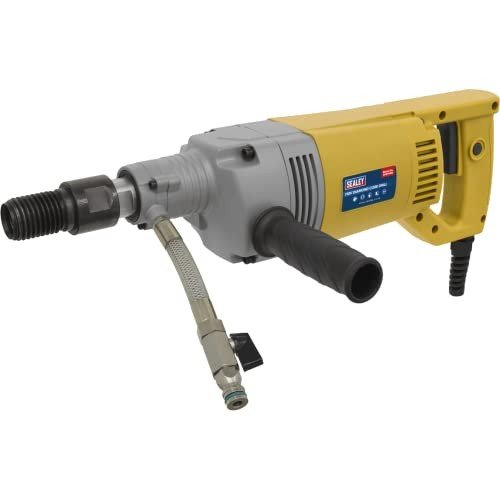
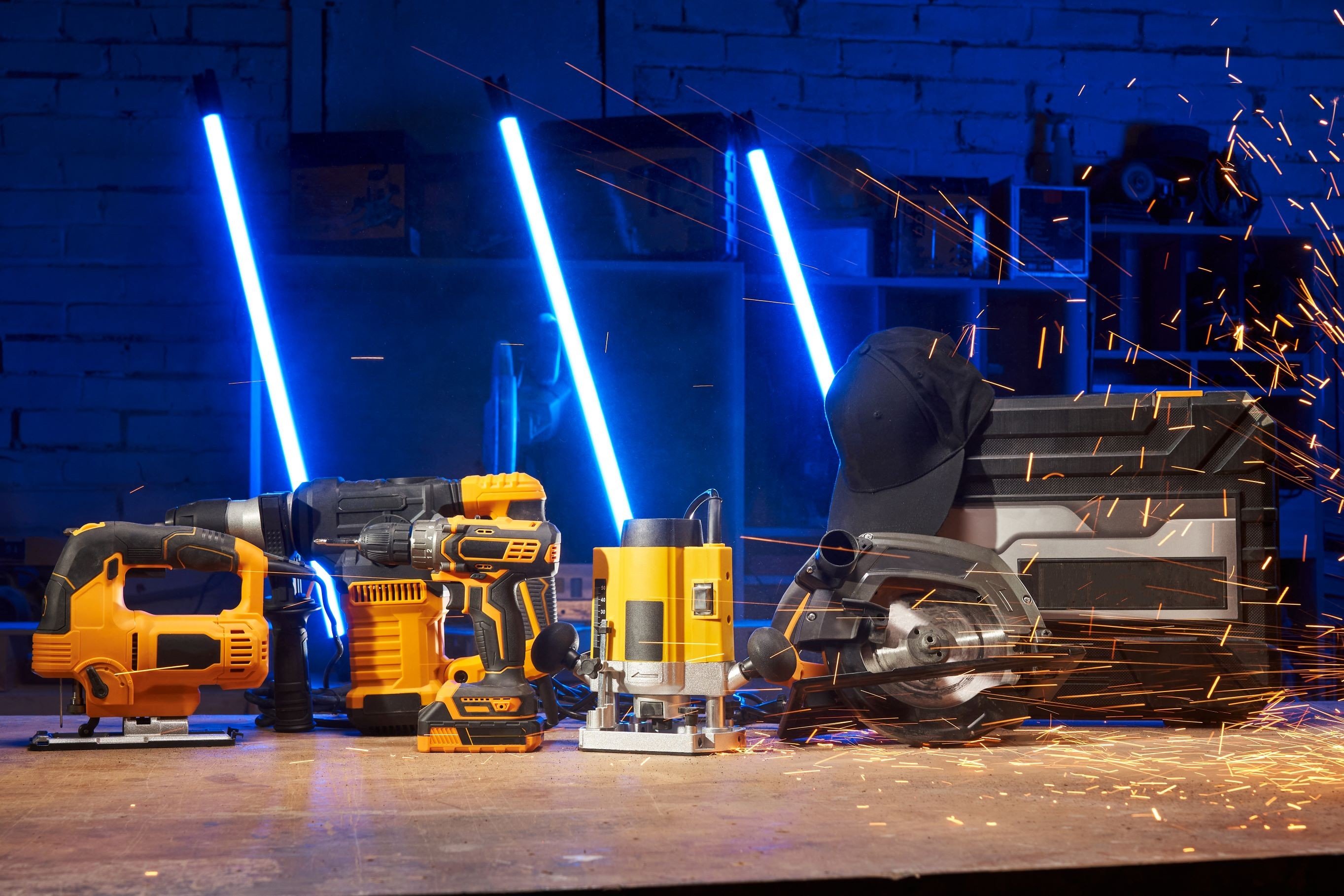
Corded Power Tools: Tools that require a direct connection to the power outlet, such as circular saws, drills, and sanders. These supply unlimited run time however are limited by cable length.
Cordless Power Tools: Battery-operated tools that combine benefit with portability. Examples consist of battery-powered drills, impact chauffeurs, and reciprocating saws.
2. Air-Powered Tools
These tools operate on compressed air, especially in commercial settings. Typical examples consist of pneumatic nailers, impact wrenches, and spray weapons.
3. Specialized Power Tools
These include specific functions and applications:
- Rotary Tools: Such as Dremel, used for cutting, sanding, and polishing.
- Planers: Used for smoothing and shaping wood surfaces.
- Laser Levels: Providing precision in leveling and positioning tasks.
4. Hobbyist Power Tools
Crafting lovers benefit from smaller sized, specialized tools such as die cutters, and mini drills.
5. Programmable and Smart Tools
With technology integration in the 21st century, smart power tools can be configured for specific tasks, use safety functions, and provide real-time feedback to users.
Applications of Power Tools
The prevalent adaptation of power tools has led to their varied applications across numerous markets:
- Construction and Renovation: Essential for framing, roofing, and floor covering. They improve efficiency and lower manual labor.
- Woodworking: Power tools like routers, saws, and jointers permit precision in crafting furnishings and cabinets.
- Automotive: Repairing and assembling cars with tools like effect wrenches and tire changers.
- Do It Yourself Home Projects: Homeowners significantly depend on power tools for renovations and repairs, enhancing their DIY capability.
Security Considerations When Using Power Tools
While power tools provide many benefits, they also posture threats if not utilized correctly. Here are vital security suggestions to consider:
- Always checked out the user manual before operating any tool.
- Usage Personal Protective Equipment (PPE), such as gloves, safety glasses, and ear defense.
- Keep the work environment clean and well-lit to lower risks.
- Make sure to unplug or get rid of the battery from tools when changing attachments.
- Never bypass safety functions installed on the tools.
- Guarantee suitable ventilation when utilizing tools that produce dust or fumes.
Frequently Asked Questions (FAQs)
Q1: What is the difference between corded and cordless power tools?
A: Corded tools need a direct connection to a source of power, offering endless run time however minimal range. Cordless tools use portability and benefit but rely on battery life and recharging.
Q2: How do I maintain my power tools?
A: Regular maintenance involves cleansing, looking for harmed parts, and lubricating moving components. Additionally, follow the manufacturer's directions for battery care and storage.
Q3: What safety gear do I need for power tool use?
A: Essential safety gear consists of security goggles, ear defense, gloves, and respiratory masks for dust control.
Q4: Can I utilize power tools indoors?
A: Yes, but make sure appropriate ventilation and use dust collection systems where relevant to lessen dangers.
Q5: What should I do if my power tool breakdowns?
A: Stop utilizing the tool right away, unplug it, and consult the user handbook for fixing pointers. If necessary, seek expert repair work help.
Power tools have undeniably changed tasks across various sectors, boosting efficiency and safety throughout the workplace. As technology continues to evolve, standard power tools are ending up being smarter and more easy to use. Comprehending their types, functions, applications, and safe handling treatments gears up users with the knowledge needed to maximize their effectiveness and security. With a mix of innovation and obligation, people can continue to harness the full power of these incredible tools in both professional and DIY projects.
댓글목록
등록된 댓글이 없습니다.