
9 Things Your Parents Taught You About Roof Drainage
페이지 정보
작성자 Yolanda 작성일26-02-18 09:09 조회3회 댓글0건관련링크
본문
Understanding Roof Drainage: Essential Insights for Building Design and Maintenance
Efficient roof drainage is an important aspect of structure style and maintenance that is typically ignored. Correctly handled roof drainage systems can avoid water accumulation, Gutter Downpipes consequently safeguarding the structural stability of the structure and enhancing its durability. This post explores the importance of roof drainage, kinds of systems, their elements, and best practices for maintenance.
What is Roof Drainage?
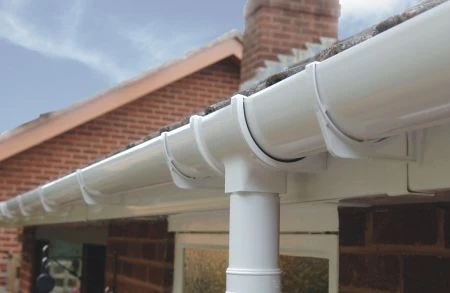
Roof drainage refers to the approaches and systems utilized to direct and get rid of rainwater off the roof of a building. This is important to prevent water pooling, which can lead to leaks, structural damage, and jeopardized safety. A properly designed drainage system facilitates the effective circulation of water, lessening the risk of water-related concerns in both residential and commercial buildings.
Significance of Roof Drainage
- Structural Integrity: Water build-up can damage the roof structure in time, leading to expensive repairs.
- Avoiding Mold Growth: Stagnant water creates a breeding ground for mold and mildew, threatening indoor air quality.
- Safety: Ice or water build-up can present risks, leading to slips or falls.
- Structure Protection: Proper drainage prevents excess water from pooling around the foundation, which can trigger soil disintegration or structural settlement.
Kinds Of Roof Drainage Systems
The option of a roof drainage system frequently depends upon its design, geographical area, and the building's purpose. Here are the primary kinds of roof drainage systems:
| Type of System | Description | Best Suited For |
|---|---|---|
| Gutter Systems | Channels water from the roof edge to downspouts and drains pipes | Residential structures |
| Internal Drains | Roof drains situated within the building, directing water to pipes beneath | Flat-roofed commercial buildings |
| Scuppers | Openings at the roof perimeter that enable water to drain pipes over the edge | Roofing systems with parapets |
| Bverted Roof | Offers positive drainage; permits insulation and plants | Green roofs |
Components of a Roof Drainage System
Despite the kind of system utilized, many roof drainage setups comprise a few crucial elements. Comprehending these can help in both design and maintenance:
| Component | Function |
|---|---|
| Downspouts | Vertical pipes that direct rainwater from the roof gutters to the ground |
| Gutters | Horizontal channels installed at the edge of the roof to gather rainwater |
| Drains | Components that gather water from the roof surface area and direct it to pipelines |
| Waterproof Membrane | A layer applied to flat roofs to avoid water seepage |
| Overflow Drains | Secondary drainage choice to handle excessive water throughout heavy rains |
Designing an Effective Roof Drainage System
Designing a reliable roof drainage system involves cautious planning and consideration of numerous aspects. Here are some best practices:
- Slope Design: Ensure roofs have a minor slope to facilitate water runoff. A slope of 1-2% is usually recommended.
- Select Appropriate Drainage System: Choose a drainage system that fits the roof type and anticipated water load.
- Regular Maintenance: Clean gutters and drains routinely to avoid obstructions that can lead to water pooling.
- Calculate Water Load: Analyze the square footage of the roof and weather condition patterns to examine prospective water load.
- Talk to Professionals: Work with designers or engineers experienced in roof drainage to guarantee optimal style tailored to local conditions.
Maintenance Tips for Roof Drainage Systems
Routine maintenance of roof drainage systems is important for guaranteeing their performance and durability. Here are key maintenance tips:
- Regular Inspections: Conduct regular assessments, specifically before and after heavy rains.
- Debris Removal: Remove leaves, twigs, and other particles from gutters and drains to keep water flow.
- Check for Leaks: Inspect all joints and connections for leaks or weak points.
- Evaluate the System: After heavy rain, check for pooling water on the roof and guarantee water is streaming correctly through drains pipes and gutters.
- Consider Seasonal Preparations: Before winter season, ensure that your drainage system is clear to avoid ice accumulation that might lead to blockages.
Frequently Asked Questions (FAQ)
Q1: What can occur if roof drainage is insufficient?A1: Inadequate roof drainage can lead to water pooling, jeopardized structural integrity, mold growth, and ultimately costly repairs.
Q2: How frequently should roof drainage systems be examined?A2: Roof drainage systems ought to be inspected a minimum of twice a year, preferably in spring and fall, and after any substantial weather condition events.
Q3: Can I clean my own roof drainage system?A3: Yes, but just if it is safe to do so. It's advised to use proper tools and safety equipment. Alternatively, working with a professional may be a much safer alternative.
Q4: What materials are typically used for gutters?A4: Gutters are frequently made from aluminum, vinyl, copper, or galvanized steel, each providing its own advantages in regards to durability, cost, and aesthetic appeal.
Q5: Are there any building regulations connected to roof drainage?A5: Yes, Guttering Experts Near Me Company (gutter-specialists96212.snack-blog.Com) building codes can differ by place, and it is necessary to speak with local guidelines to guarantee compliance.
Roof drainage is an essential yet typically overlooked part of building style and maintenance. By understanding the kinds of systems readily available, their elements, value, maintenance practices, and best style suggestions, property owners can protect their financial investments and promote a safe environment. Making sure reliable roof drainage is not simply a matter of aesthetics; it is a basic aspect of building health that ultimately impacts longevity and safety.
댓글목록
등록된 댓글이 없습니다.